
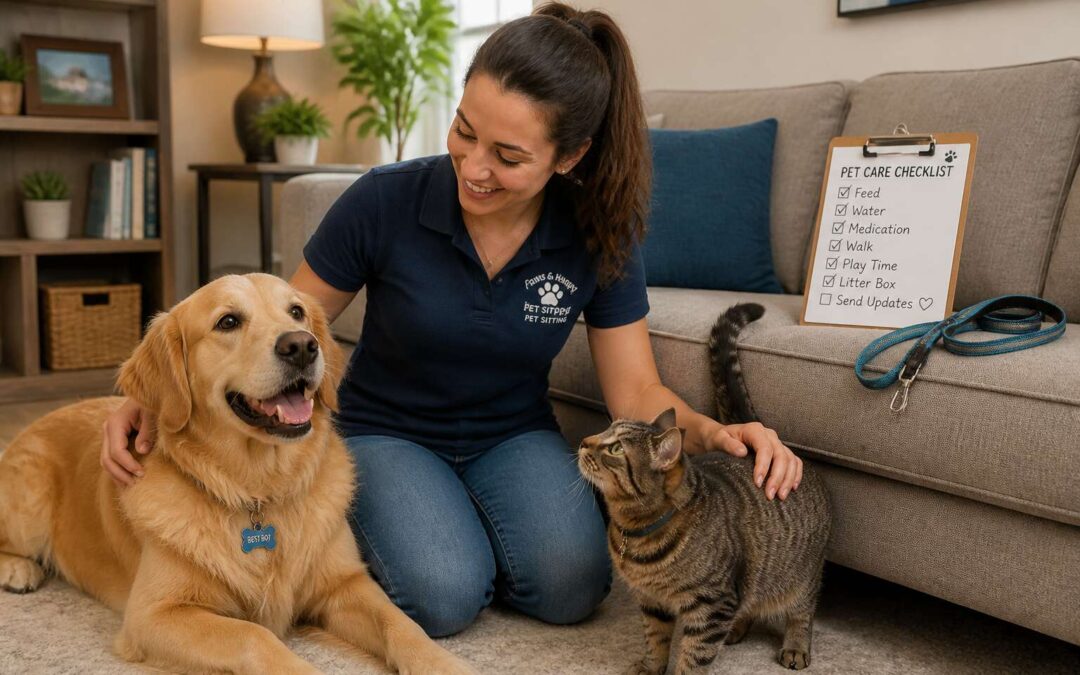
Core Responsibilities of a Pet Sitter
Daily Feeding and Watering Routines
In the quiet hours of a typical day, a pet sitter’s true work begins with the mundane yet vital act of nourishment. The daily feeding and watering routines are the bedrock of the job, a covenant of care that goes far beyond simply filling a bowl. This duty demands an almost obsessive attention to detail, as a pet’s health hinges on consistency and the specific instructions left by a concerned owner. A sitter must adhere to a strict schedule, ensuring that a diabetic cat receives its insulin-timed meal or a senior dog gets its prescribed portion of kidney-friendly kibble.
Understanding this rhythm is central to answering what is a pet sitter job description, as this task forms the silent architecture of every visit. The responsibilities extend to the subtle observation of behaviour during these moments, noting if a pet’s appetite has waned or if their water consumption has increased, as these are often the first signs of distress. It is not merely about providing sustenance; it is about maintaining a lifeline.
– Checking that automatic feeders are functioning correctly.
– Preparing meals according to the owner’s precise measuring guidelines.
– Ensuring fresh, clean water is always available and bowls are sanitised.
For a professional, the ritual is also one of hygiene and patience. A pet sitter must work around the fussy eater, the territorial animal, or the puppy that tries to climb into the bowl. Every feeding is an opportunity to monitor a pet’s overall well-being, and every water refill is a check against dehydration. It is a quiet, repetitive liturgy that ensures the continuous vitality of a creature that cannot speak its own needs.
Exercise and Playtime Activities
A tired pet is a happy pet, and a pet sitter is the architect of that exhaustion. Exercise and playtime are not optional extras; they are essential pillars. A sitter must tailor activities to the species, breed, and energy level of the animal in their care. A high-drive border collie needs a rigorous fetch session to stave off boredom, while a senior pug might only require a gentle stroll around the garden to satisfy its curiosity. This adaptability is a core component of what is a pet sitter job description.
Play is more than just movement. It is a critical tool for maintaining a pet’s mental acuity and emotional stability. The sitter’s role involves engaging in interactive games that strengthen the bond of trust, providing crucial stimulation that prevents destructive behaviours born from anxiety. This period also serves as a subtle physical exam; a limp during a run or a hesitation to jump can be an early warning sign of injury.
– Administering medication hidden within treats after physical exertion.
– Practicing recall commands to reinforce obedience training.
– Cleaning up toys and waste post-session to maintain hygiene.
Ultimately, a sitter must be a keen observer of play, ensuring the activity remains safe and consensual. It is about understanding when to push for more engagement and when to allow a cool-down period. This physical and mental enrichment is the very heart of the service, ensuring the pet returns to its owner feeling content, fulfilled, and well-adjusted. This facet solidifies the true value of what is a pet sitter job description.
Medication Administration and Health Monitoring
Administering medication transforms a Wednesday afternoon into a quiet ritual of trust. A pet sitter must master the art of giving a pill to a stubborn cat or a liquid dose to a nervous dog. This often involves hiding tablets in strong-smelling treats or using specialized pill pockets. Precision is essential; a missed dose can undo weeks of treatment, while an accidental double dose can harm a recovering animal. Health monitoring is a continuous, subtle check on the animal’s vital signs.
Observations extend beyond the schedule of pills and syrups. The sitter observes gum colour for hydration, inspects ears for mites, and gently checks the pliability of the skin for signs of dehydration. Changes in appetite, vocalization, or toilet habits are recorded, noted precisely in a daily log for the owner. These subtle details inform what is a pet sitter job description. Every cough, every scratch, every hour of lethargy is data. This vigilance is the quiet promise made to the owner; a promise of unwavering attention between the tick of a clock, the quiet miracle of a healthy, safe return.
Litter Box, Cage, and Waste Cleanup
The unglamorous truth is that a sitter’s day is punctuated by the scoop, the scrub, and the bin. No task defines the role’s character more than waste management. It is the unspoken test of reliability. A tidy litter box is a sanctuary for a cat, who may otherwise stage a protest on your client’s Persian rug.
A professional sitter maintains a strict schedule to prevent odour build-up and bacterial growth.
– Daily scooping of clumping litters, with full changes as needed.
– Washing cages and trays with pet-safe disinfectants.
– Removing and replacing soiled bedding or newspaper.
– Sanitising feeding stations to prevent cross-contamination.
Bird cages and reptile enclosures present their own challenges, demanding precise upkeep of temperature zones during cleaning. A discerning sitter also tracks waste for signs of distress, such as worms or blood. It is an intimate observation relegated to the background. A tidy waste protocol is a core part of what is a pet sitter job description, ensuring your home and pet remain fresh and hygienic.
Security and Basic Home Care Duties
A pet sitter’s role extends well beyond the furry faces that greet you at the door. When a homeowner is away, you become the silent guardian of their entire property. This means adopting a watchful eye for anything unusual, from a suspicious vehicle lingering on the street to a window left ajar by accident. Your presence alone is a deterrent to potential intruders, acting as a living alarm system that a dark, empty house simply cannot provide.
Basic home care is the logistical backbone of this security. It involves the mundane yet vital tasks that keep a household running smoothly in the owner’s absence. Many pet sitters find that a clear daily checklist helps manage these duties efficiently:
- Collecting mail, newspapers, and parcels to prevent visible buildup that signals an empty home.
- Alternating lights and blinds to mimic a lived-in appearance throughout the day and night.
- Watering indoor plants to maintain the environment and the owner’s peace of mind.
- Performing a quick walk-around of the perimeter to check for any signs of damage or forced entry.
These actions do more than just protect the physical structure; they protect the owner’s emotional investment. Reporting a burst pipe or a fallen tree branch immediately can save thousands in repair costs, transforming you from a simple animal attendant into a trusted property manager. This facet of the role is often what separates a casual sitter from a professional, and it is a critical component of what is a pet sitter job description. It is this silent, diligent supervision that truly lets the owners relax on their holiday, knowing their sanctuary is in safe hands.
Essential Skills and Qualities for Pet Sitters
Animal Behavior Knowledge and Handling Techniques
Animals rarely announce their distress. They communicate through posture, ear position, and subtle shifts in breathing. A sitter who reads these signals prevents escalation before it begins. This is the quiet core of what is a pet sitter job description, the part no checklist captures.
Understanding species specific behaviour matters. Dogs offer appeasement signals. Cats signal overstimulation through tail twitches. Rabbits thump. Each response demands a different handling approach:
- Approach anxious animals sideways, never head on.
- Use slow blinking to signal non threat to cats.
- Let nervous dogs initiate contact at their own pace.
Handling techniques also involve restraint. A sitter must know when to step back, when to redirect, and when to call the owner. That judgement separates a warm presence from a liability. It is the difference between observing an animal and truly seeing it.
Clear Communication with Pet Owners
Clear communication with pet owners forms the backbone of professional service. A sitter who relays updates and asks precise questions builds trust from the first booking. Owners leave their companions with you, and their anxiety often stems from a lack of information.
A strong pet sitter job description will always highlight communication as a core requirement. This means detailing daily summaries, noting any changes in eating habits, and flagging potential health concerns promptly. You are the eyes and ears while the owner is away. The most successful sitters document everything and share it without prompting.
This skill set becomes especially vital during initial consultations. You need to ask the right questions about feeding schedules, medical histories, and quirky routines. Good communication also means setting expectations about your own availability and response times. For instance, you should clarify:
– How often you will send photo updates
– When you will report unusual behaviour
– Who to contact in a veterinary emergency
– How you handle key handovers
Effective communication transforms a simple sitting gig into a reliable service. Knowing exactly what the owner expects prevents later disputes and ensures the animal receives consistent care. Ultimately, this clear exchange defines what a pet sitter job description promises to the client: peace of mind delivered through every message and phone call.
Emergency Response and Basic First Aid
When you leave a beloved pet in someone else’s care, the unspoken hope is that nothing ever goes wrong. But life is unpredictable, and the true measure of a professional often appears in a crisis. A sitter’s ability to handle an emergency with a clear head and steady hands is the most vital skill they can offer. It is rarely written explicitly in a document, but this capability defines what is a pet sitter job description at its very core.
Practical competence is the first layer. A responsible sitter should have a working knowledge of canine and feline first aid. They should know how to check vital signs, manage minor wounds, or respond to choking. However, possessing knowledge is only half the battle; the other half is the wisdom to know when to act and when to seek immediate veterinary intervention.
Beyond the technical skills, there is an emotional intelligence that separates the adequate from the exceptional. This involves reading the subtle signs of distress that often precede a medical issue. Anxious pacing, sudden withdrawal, or a change in eating habits can be early warnings. A sitter attuned to these shifts can prevent a minor issue from escalating into a major one.
When an incident does occur, clear protocols become indispensable. A well-prepared sitter will already know the location of the nearest animal hospital and have the owner’s preferred course of action documented. A quick reference guide might cover:
1. The emergency vet’s contact information and address.
2. The pet’s medical history and current medications.
3. The owner’s authorization for emergency treatment.
4. A list of known allergies or pre-existing conditions.
Ultimately, this readiness provides a form of silent reassurance. It grants the owner the freedom to travel without the weight of constant worry. The memory of a sitter who stayed calm, took decisive action, and communicated clearly is a priceless gift. In this reality, the job involves more than just feeding and walking; it requires the courage to step up when the moment demands it, ensuring that the trust placed in them is never misplaced.
Reliability, Punctuality, and Trustworthiness
Reliability matters most in this trade. A sitter who arrives at the appointed hour signals respect for the owner’s schedule and the pet’s routine. Punctuality is not mere politeness. It is a promise kept before a single word is spoken.
Trustworthiness, however, runs deeper than showing up. It is the discretion to respect a client’s home, the honesty to report a spilled plant, and the integrity to follow instructions exactly as given. In South Africa, where neighbourhoods vary from secure estates to sprawling suburbs, a sitter’s dependability offers particular peace of mind.
Consider what is a pet sitter job description without these traits. The most skilled animal handler loses value if they cannot be counted on. A reliable sitter builds a reputation through small, consistent acts:
- Confirming bookings promptly and clearly.
- Arriving with a few minutes to spare, not late.
- Leaving the home exactly as found.
These habits form the bedrock of a profession built on referrals. At its core, what is a pet sitter job description hinges on the owner’s ability to sleep soundly while away.
Day-to-Day Tasks and Scheduling Variations
Morning, Midday, and Evening Visit Protocols
A pet sitter’s day rarely follows a standard clock. Morning visits begin with a full property sweep, checking that nothing shifted overnight and that the animal is alert and calm. Midday slots are shorter by nature, built around breaking up a long absence with ten minutes of companionship. Evening protocols focus on closure: checking locks, drawing curtains, and leaving the animal settled for the night.
Scheduling varies with each client. Some homes want three brief check-ins, while others prefer one extended stay.
- Morning: orient the animal to the day ahead
- Midday: offer a midpoint interaction to reduce separation stress
- Evening: complete a security sweep and wind down the space
To understand what is a pet sitter job description, recognise that adaptability is the core. The tasks matter less than the timing.
Overnight Stays vs. Drop-In Visits
Every pet sitting job looks different once you move past the brochure description. The rhythm of a day changes entirely depending on whether you perform drop in visits or commit to overnight stays. A question often asked is what is a pet sitter job description, and the honest answer lies in the schedule you accept. Drop in visits are transactional and time bound. You arrive at a set hour, perform your duties, and leave. The pet experiences your presence in short, sharp bursts. Overnight stays alter the dynamic completely. The caregiver becomes a temporary resident, a quiet presence that shapes the animal’s entire evening and morning routine.
The workload differs in focus, not just in hours.
– Drop in visits prioritise efficiency and observation.
– Overnight stays prioritise constant companionship and home presence.
For the pet owner, this distinction matters. A drop in service suits a social cat or a dog needing a toilet break. An overnight stay suits a nervous animal or a home requiring daily oversight. When people ask what is a pet sitter job description, they often assume it is a uniform role. It is not. The tasks shift to match the animal’s tolerance for solitude and the owner’s budget for peace of mind. One sitter might spend Sunday night sleeping on a couch for a senior dog. Another might spend that same Sunday performing three twenty minute check ins. Both are valid pet sitting jobs, but they demand different energy levels and different forms of attention. The adaptability required separates a competent sitter from a great one. Recognising which service the situation calls for is a core part of the profession.
Managing Multi-Pet Households
Juggling the needs of a single, placid cat is a manageable affair. Managing a household with three dogs, a parrot, and a territorial rabbit, however, transforms the role entirely. When people ask what is a pet sitter job description, they often overlook the logistical gymnastics required for multi-pet environments. The job ceases to be about simple affection and becomes a masterclass in resource management. You are not just feeding animals; you are orchestrating a complex ecosystem where every creature has a distinct personality, dietary restriction, and energy quota that must be met.
This shift in responsibility demands a rigidly structured schedule that still allows for flexibility. A morning visit might start by letting the high-energy border collie out for a sprint, while the elderly pug is kept inside to avoid the morning chill. You must then separate the cats to ensure the anxious one actually eats her breakfast without being intimidated by her younger sibling. The sequence of these tasks is critical; a wrong order can lead to a chaotic melee or a missed meal. Maintaining a meticulous scheduling log is essential, not just for the owner’s peace of mind, but for your own sanity. This kind of work requires a level of vigilance that a single-pet assignment rarely demands.
Beyond the physical feeding, you are responsible for managing the intricate social dynamics that unfold when the humans are away. Here are additional responsibilities that often define these complex assignments:
– Cleaning and sanitizing multiple litter boxes, often located in separate rooms, to prevent territorial disputes.
– Coordinating separate play sessions to ensure each animal receives adequate one-on-one attention.
– Managing the rotational access to outdoor spaces or shared living areas to prevent resource guarding.
– Monitoring the interaction between species, such as keeping the dog away from the birdcage during specific times of the day.
Ultimately, the core of this role is timing. The daily rhythm is dictated by the animals, not the clock. While a single dog might be content with a 30-minute walk, a multi-pet household often requires overlapping shifts of care that stretch well beyond a standard visit. This is where the true value of a professional is tested. Understanding what is a pet sitter job description means recognizing that for these households, the sitter is the conductor of a very unique orchestra. It is a role that demands patience, observational skill, and an almost intuitive ability to anticipate the next need. The pay reflects the responsibility, but the real reward is witnessing the harmonious balance return the moment you stick the key in the lock. The job is rarely glamorous, but the quiet trust of a well-managed pack is a profound professional achievement, offering a unique glimpse into the daily lives of a blended family of animals.
Adapting Care for Puppies, Senior Pets, or Special Needs
A pet sitter’s day shifts with the animal’s age and health. Puppies need frequent toilet breaks and short play bursts. Senior pets require slower pacing, warm spots, and medication at fixed intervals. Special needs animals might depend on a pump or syringe, where a missed minute causes distress.
I’ve found scheduling variations become essential. You plan the order of tasks around each pet’s limits!
- Taking a puppy out first thing, then feeding the senior cat.
- Reserving quiet time for a nervous dog after noisy chores.
Understanding what is a pet sitter job description means adapting day to day, never assuming yesterday’s routine will work today.
Providing Regular Updates and Photo Reports
A pet sitter’s day rarely follows a rigid script. Understanding what is a pet sitter job description means appreciating that flexibility is the true currency of the trade. While a standard dog walk forms the backbone of the service, the daily schedule shifts constantly to accommodate the unique quirks of each home. One client might have a cat that needs feeding at precisely 6:00 AM before you head to your next engagement. Another might require you to spend an extra twenty minutes with a nervous rescue dog who struggles with separation anxiety. The daily plan is a mosaic of these tiny, essential moments.
Managing time across multiple clients is the real test of an experienced professional. It is not just about being punctual; it is about building in buffers for traffic on Jan Smuts Avenue or an unexpected downpour. A good sitter sequences visits to prioritize pets with the most urgent needs. For example:
– First call in the morning for the diabetic cat needing an insulin shot with breakfast.
– Mid-morning energy burn off at the park for the young Border Collie.
– Early afternoon check-in for the elderly Dachshund who needs a short, slow stroll and plenty of Praise.
– Evening visits to maintain the routine for pets whose owners work late.
Of course, scheduling is only half the responsibility; the other half is transparency. Every job description for this role includes the duty to provide regular updates. A quick text message with a photo of a happy, panting dog after a long walk does more than reassure a client on holiday in Cape Town. It proves the service is happening. For pets that are shy or unwell, a small video clip showing they have eaten or are resting peacefully can mean the world to an owner hundreds of kilometers away. This constant communication transforms a simple visit into a comprehensive care solution, ensuring peace of mind across the entire booking.
Qualifications, Training, and Business Operations
Certifications and Professional Training Courses
Qualifications for this vocation extend beyond affection for animals. A serious pet sitter understands that the role demands patience, observation, and a calm temperament under pressure. Certifications in pet first aid or animal behaviour from accredited South African institutions elevate a professional profile considerably.
Training courses, particularly those focused on canine communication or feline stress signals, provide practical insight. Business operations also require attention. A reliable sitter manages bookings, deposits, and client records with diligence.
- Pet CPR and emergency care certification
- Animal handling and behaviour workshops
- Small business administration or bookkeeping basics
Ultimately, what is a pet sitter job description without a foundation of verified knowledge? Formal training transforms a hobbyist into a trusted professional. Each course sharpens judgment, ensuring every visit reflects competence. When owners seek someone for their cherished companions, they deserve more than goodwill. They deserve proof of skill, earned through study and practice.
Gaining Experience and Collecting References
At its heart, what is a pet sitter job description if not a contract of trust? While a genuine love for animals is the spark, professional qualifications are the fuel that sustains a reliable career. A serious sitter invests in formal training to move beyond simple affection. Short courses in pet first aid and CPR are non-negotiable, as they equip you to handle a choking puppy or a sudden allergic reaction with composure. This knowledge often makes the difference between a minor scare and a tragedy, offering owners true peace of mind.
Beyond emergency response, a solid understanding of animal behaviour is crucial. Accredited workshops that focus on canine body language or feline stress signals allow a sitter to interpret discomfort before it escalates into aggression or destructive habits. This expertise enables you to tailor your approach to each unique personality, ensuring a calm environment for everyone involved.
However, practical experience remains the ultimate teacher. Supplementing your certification with volunteer work at a local animal shelter or offering a “meet and greet” service for nervous pets builds real-world confidence. As you progress, document your journey. Collect testimonials from clients and a portfolio of positive outcomes. This documented proof of your capability transforms a simple service into a premium offering, clearly distinguishing you in the local market.
Insurance, Bonding, and Liability Considerations
A pet sitter job description is a contract of trust, plain and simple. You are stepping into someone’s home and their private life. The core of this work goes beyond feeding schedules; it is about shouldering the emotional weight of a family’s absence. To handle this properly, you need a foundation built on specific qualifications and training that separate a hobbyist from a professional.
Professional qualifications start with formal education in animal care. This means enrolling in courses that cover nutrition, common illnesses, and behaviour modification. A solid training regimen also includes shadowing an experienced sitter to learn the subtle cues of anxious dogs or hiding cats. Consider certifications from recognised bodies, as they offer a structured curriculum. For a practical example, your skill set should mirror this:
1. Certification in Pet First Aid and CPR from a registered provider.
2. A completed course in canine and feline behaviour.
3. A minimum of 20 hours of supervised sitting or volunteering at a local shelter.
The business side requires a hardened look at liability and operations. A what is a pet sitter job description often omits the financial risks, but you cannot. You are responsible for a living creature. If a dog escapes or ingests something harmful, the veterinary bills fall on you. This is why bonding and liability insurance are non-negotiable. They protect your assets and signal to clients that you are a serious operator. Without this safety net, you expose yourself to financial ruin over a single mistake.
The operational reality demands clear contracts and backup plans. A professional cannot afford to be vague about payment terms or emergency procedures. You need a network of trusted veterinarians and a secondary sitter who can cover for you if you fall ill. The quiet anxiety of a client is best met with documentation and transparency. The job is isolating, and the weight of the responsibility sits heavy. You carry the keys, the routines, and the silent worry of another household. Whether you are walking a high-energy terrier or administering insulin to a senior cat, the role is a serious business. The best sitters are those who treat the occupation with the gravity it deserves, knowing that their diligence is the only barrier between a peaceful night for the owner and a crisis.
Pricing Services and Creating Packages
Across South Africa, a truly professional service is often measured by the quiet order of the home they manage. The morning light might reveal a schedule written with military precision, but the real work happens before that. When clients ask what is a pet sitter job description, they are really asking about the depth of your dedication and the proof of your ability.
Formal training in animal care is the first differentiator. This goes beyond a love for animals, requiring a structured understanding of animal physiology and psychology. Practical experience in a shelter environment builds resilience, teaching you to read canine and feline body language in high stress situations. This education builds the confidence to handle the unexpected, transforming a simple visit into a professional consultation.
The business of pet sitting demands a clear pricing strategy. South African clients expect transparency, especially in a market with economic variability. Your rates should reflect your overheads, travel distance, and the level of certification you possess. An emergency callout fee is standard practice, ensuring you are compensated for the disruption to your day.
Consider the core components of your service packages to ensure profitability:
– The Essential Walk: A single 30 minute visit for a quick break.
– The Standard Visit: A 45 minute drop in covering feeding, play, and a basic update.
– The Premium Stay: An overnight shift to care for anxious pets and secure the property.
The structure of your offerings should provide a clear escalation path for clients. A basic package covers the essentials, while a premium tier adds daily photo reports, extended playtime, and specialised handling for senior pets. Ultimately, your operational framework proves your worth, showing that you understand what is a pet sitter job description on a practical level and can manage it with business acumen.
Using Scheduling Software and Pet-Sitting Apps
The logistics of this profession often eclipse the physical care. A qualified sitter transforms their formal training into seamless proficiency through dedicated business operations. Using scheduling software and pet sitting apps allows you to manage multiple client calendars with subtle precision, ensuring no visit overlaps or feeding time is missed. This digital diligence creates a quiet confidence for the owner, who can see your reliability reflected in every automated update. These tools also create a digital trail of your work.
When a client questions what is a pet sitter job description, the answer lies in this administrative competence. Certification is the foundation, but your ability to navigate complex booking systems is the daily proof of your professional commitment.
– Automated reminders reduce no shows.
– Real time GPS check ins provide location proof.
– Digital records track health and behavioural patterns.
This technological fluency defines the modern sitter. It elevates the service, offering a transparent window into your dedication. The job description expands beyond the physical, encompassing the intellectual rigor of database management, client communication, and financial reconciliation through these digital platforms.
Marketing and Building a Client Base
The pet care industry is booming, and the role of a professional sitter extends far beyond casual drop-ins. A pet sitter job description now demands a blend of hands-on animal expertise and sharp business acumen. Clients are looking for someone who can handle emergencies with a cool head while also managing their own administrative duties without a hitch.
While formal schooling is not mandatory, pursuing certification through programs like Pet Sitters International or Pet First Aid courses significantly boosts your credibility. This training covers vital areas such as emergency protocols and understanding animal behavior, which directly addresses the safety concerns of pet owners. Practical experience, whether from volunteering or personal pet ownership, remains the bedrock of your qualifications.
Beyond pet care, you are running a solo enterprise. This means mastering the local market to set competitive rates and understanding your liability insurance requirements. Building a client base requires a consistent brand and a professional online presence.
– Leverage local social media groups to offer introductory discounts.
– Partner with nearby veterinarians to gain referrals.
– Request reviews from satisfied clients to build social proof.
Success hinges on reliability. In a field where trust is currency, clear contracts and transparent communication tools become your best assets. A well-defined pet sitter job description focuses on these management tasks to ensure your business stays orderly and profitable. This dual focus on care and commerce is what separates a hobbyist from a true professional.