
Salary Overview and Core Metrics
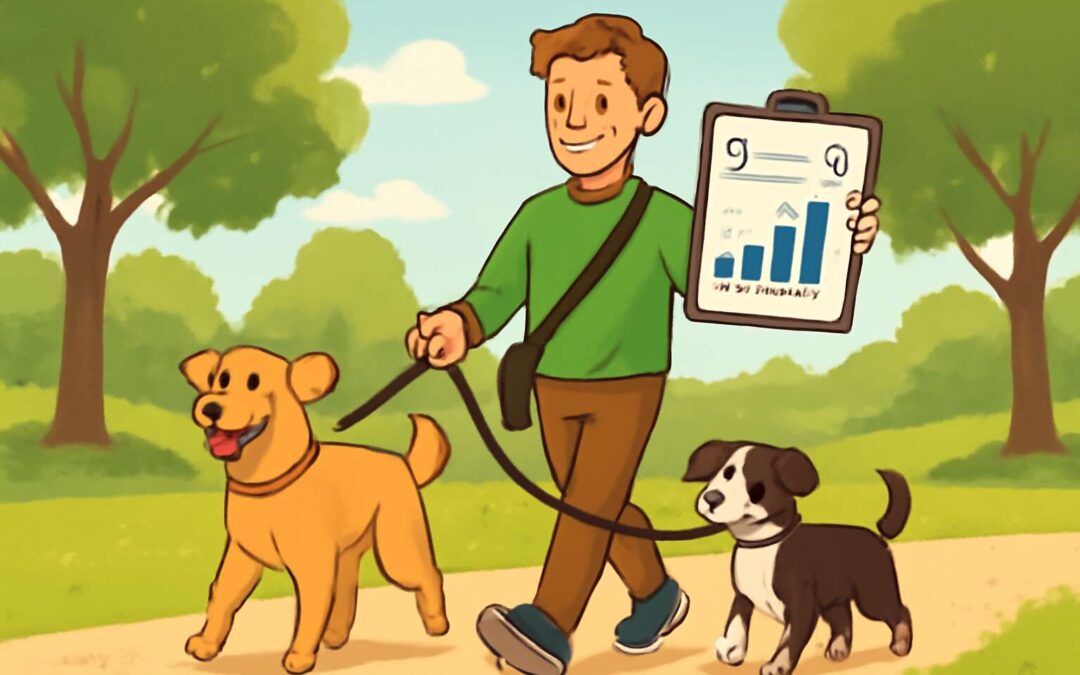
Average earnings for dog walkers nationwide
In South Africa, the dog walker salary landscape shifts with the sun as parks fill with wagging tails. A compelling stat: operators report a typical monthly take hovering near R4,500, with top earners breezing past R8,000 in busy metros.
Core metrics show the toll of time and trust. The average earnings for dog walkers nationwide sit around R60 to R120 per hour, depending on route length, group size, and extra services. The season matters, and weekend bookings push the numbers higher.
- Average hourly rate: around R60–R100
- Typical weekly hours: 8–20
- Urban centers tend to pay more than rural areas
Understanding these core metrics helps readers align expectations during meet-and-greets, ensuring fair compensation for walkers and sustainable practice in South Africa.
Hourly rates and typical pay structures
In the early light along Cape Town’s sea breeze or Johannesburg’s urban canyons, the dog walker salary whispers of time, trust, and tail-wagging duty. The rhythm of a day is set by routes, weather, and the bonds formed with pups who believe in their walker’s steady hand.
The dog walker salary is a living structure, not a single figure, shaped by routes and relationships. Core metrics show how earnings hinge on hourly rates, per-walk agreements, and optional services that can elevate the pot.
- Hourly rates reflecting route length, group size, and care extras
- Per-walk pay with potential bonuses for high-demand days
- Seasonal and weekend surcharges that tilt the balance in busy periods
By understanding these core metrics, readers glimpse a sustainable model where fair compensation aligns with trust, time, and the joyous chorus of dogs in our care.
Full-time vs part-time compensation
Trust is paid in hours, and in South Africa the truth about caring for dogs glows in sunrise routes and wagging replies. “Trust is paid in hours,” the words go, and the day unfolds with each leash and every smile from a grateful pup.
Salary overview: Full-time walkers typically enjoy a steady, monthly dog walker salary anchored to scheduled routes and client communication. Part-time walkers ride per-walk pay with chances for bonuses during busy periods. The choice hinges on cadence, reliability, and how benefits and taxes shape take-home returns in SA.
Core metrics of compensation include the following levers:
- Full-time: predictable monthly salary tied to fixed routes
- Part-time: per-walk earnings with discretionary bonuses on high-demand days
- Seasonal and weekend surcharges reflecting peak periods
When these elements align, the dog walker salary becomes a humane, sustainable model—one that honors time, trust, and the joyous chorus of dogs and their people.
Factors influencing pay (experience, location, client load)
In SA, “Trust is paid in hours” isn’t just a motto—it’s a payroll truth. A dog walker salary in urban South Africa tends to be steadier for those with fixed routes and loyal clients, while the pace accelerates with busy days and back-to-back pickups. The right mix of reliability, communication, and canine cheer makes the numbers feel humane and sustainable.
- Experience and skill level
- Location and market demand
- Client load and route complexity
- Seasonal demand and weekend surcharges
Core Metrics influencing pay include the trio above, with real-world impact on take-home returns in SA. Walkers in major metros often see higher earnings potential, while those in smaller towns balance volume with rate flexibility, ensuring the dog walker salary remains fair and motivating for both wagging tails and their humans.
Geographic Variations in Pay
Pay by city and state benchmarks
Geographic variations in pay shape the dog walker salary in South Africa. I’ve watched urban hubs pull the strongest numbers, while rural pockets offer steadier streams. In Gauteng, the density of dog owners and competition nudges the average higher, even as traffic lengthens the day. Across the Western Cape and KwaZulu-Natal, climate and neighborhood layouts create distinct rhythms for walkers and their earnings. The cityscape writes the first line you’ll see on the pay stub.
- Johannesburg/Gauteng: high demand, premium day rates, busier routes
- Cape Town/Western Cape: steady year-round activity with seasonal peaks
- Durban/KwaZulu-Natal: growing market, weekend focus
- Other towns and smaller cities: mid-range bands with loyal clients
These geographic patterns reflect how proximity to services, tourist traffic, and commuting realities shape opportunities behind the scenes of the industry. In South Africa, the dog walker salary traces a map of cities and provinces.
Urban vs rural pay differences
Cities chew the clock and spit out higher pay—welcome to the urban phase of the dog walker salary. In South Africa, Gauteng’s hustle pulls more walks into the day, and the premiums follow the pace of traffic and competition. Rural pockets keep a gentler tempo, delivering steadier streams but softer per-schedule windfalls. It’s a geography of pails and paws, where proximity to services and tourist chatter shapes the numbers!
Here’s a quick snapshot by vibe:
- Urban hubs: high demand, premium day rates, busier routes
- Rural pockets: steadier client load, longer walks, calmer neighborhoods
- Coastal towns: seasonal peaks influenced by holidays
Geography shapes the pay landscape across the country.
Regional pricing strategies and living costs
Across South Africa, geography carves the dog walker salary into jagged ridges of risk and reward. Gauteng’s hustle chases daylight profits, while rural lanes keep a steadier rhythm. The market breathes in variables—traffic, clientele, and the clock—creating a map of value and pace.
- Demand intensity and scheduling windows drive price tuning
- Seasonal tourism and holidays punch peaks in coastal pockets
- Cost of living and local competition shape what clients expect
Where you live and how you move shape the take-home of each stroll, affecting earnings more than the eye first notices! The urban-to-rural spectrum threads a unique cadence through every district, a reminder that money trails mirror the map you tread.
Career Path and Earning Potential
Starting pay for new walkers
Breaking into dog walking often feels like sprinting into a bustling park without a map—and that first dog walker salary can feel modest but promising. For new walkers, the starting pay is typically a learning coin, but it’s also a signal that your reliability and speed with leash etiquette are valuable assets.
As you build your route and client base, earning potential expands through consistency, referrals, and expanded services such as short treks or midday visits. The path rewards punctuality, a friendly demeanor, and smart scheduling. In time, you can parlay steady demand into better terms with more clients per outing.
In South Africa, the demand for trustworthy walkers in urban hubs makes the early years especially formative, with opportunities to elevate your dog walker salary as you gain reputation and volume.
Advancement opportunities (lead walker, business owner)
“Trust is earned on the leash,” a veteran dog walker likes to say, and that trust becomes your career’s compass. The dog walker salary isn’t fixed; it climbs with consistent routes, repeat clients, and smart scheduling. In South Africa’s bustling urban spaces, the ladder starts with punctual walks and expands as your reputation and volume grow!
Progression can feel suspenseful and satisfying—one quiet step at a time.
- Lead walker: coordinate routes, train new walkers, and refine client communication
- Small business owner: set pricing, manage bookings, market your services
- Branching into team management: recruit, schedule, and expand service areas
As you scale, earnings rise with every new client and trusted route. In SA, urban demand does the heavy lifting, turning vigilance into value.
Specializations that boost earnings (puppy care, elderly dogs)
Careers in dog walking rise on the back of reliable routines and trustworthy tails. Earnings in this field follow the same logic: they reward repeat clients, well-timed routes, and a reputation for calm under wagging chaos. In South Africa’s vibrant urban spaces, progression starts with punctual, friendly walks and expands as you add specialized services and smart business sense.
- Puppy care: socialization, gentle exposure, and enrichment that justifies premium rates.
- Elderly dogs: patient pacing, comfort-focused strolls, and medication reminders that earn trust.
- Behavioral enrichment walks: mind-stimulating routes that boost client satisfaction and loyalty.
These specializations turn ordinary outings into value, nudging the dog walker salary upward as your calendar fills with trusted routes and expanding neighbourhood footprints.
Certifications and training impact on pay
In South Africa’s busy urban spaces, your dog walker salary can rise as repeat clients turn daily routes into dependable revenue; earnings hinge on reliability, timeliness, and a calm demeanor amid wagging chaos. Certifications and ongoing training act as accelerants, signaling professionalism to clients who crave predictable, safe outings.
- Pet First Aid Certification
- Dog Behaviour and Socialization Training
- Small Business and Client Communication Skills
- Safety and Handling for Senior Dogs
As credentials accumulate, you can take on lead walker roles or expand into a small dog-walking business, and that naturally raises your earnings.
Building a client base for stable income
In South Africa’s bustling urban spaces, repeat clients turn daily routes into dependable revenue, and your dog walker salary can rise on the back of reliability, punctuality, and a calm demeanor amid wagging chaos. A seasoned walker quips, “Consistency is the true currency of wagging tails.”
Building a client base for stable income requires visibility, trust, and a dash of charm. Consider these levers that often shape earnings:
- Trial walks that demonstrate reliability
- Positive referrals from delighted clients
- Partnerships with local pet services for visibility
With steady client growth, the dog walker salary finds a more predictable rhythm and the route to entrepreneurial freedom grows closer each week.
Income Streams and Revenue for Walkers
Direct client fees and tipping culture
In South Africa, a single truth holds: income blooms where direct client fees meet thoughtful tipping. That balance translates into a tangible dog walker salary. Walkers Direct champions this model, pairing per-walk pricing with tidy packages that foster recurring bookings and transparent billing.
- Direct client fees charged per walk or package
- Tips that recognize reliability, communication, and pet care
- Add-ons such as update photos, GPS tracking, or overnight checks
- Recurring care plans for predictable monthly revenue
Tipping culture is informal, yet potent—regular clients who value peace of mind can boost monthly income and stabilize cash flow. When service quality shines, tips complement base fees and deepen client loyalty, turning brisk routes into dependable growth for Walkers Direct and the wider freelance dog walking scene in South Africa.
Group walks vs solo visits pricing
Group walks vs solo visits create distinct revenue streams for Walkers Group in South Africa. Group walks let a single route cover several dogs, converting time into multiple revenue points while maintaining care standards. Solo visits remain premium offerings, demanding higher per-visit pricing for focused attention and tailored routines.
- Group routes increase daily capacity and client retention through shared scheduling
- Solo visits justify higher rates with individualized care and updates
- Hybrid days balance crowd efficiency with a personal touch
These dynamics shape the dog walker salary by leveraging volume without sacrificing quality. When clients value reliability, the mix of group and solo work stabilizes income and supports scalable growth across the Walkers network in SA.
Add-on services and bundles (training, boarding, pet-sitting apps)
In South Africa, add-on services are quietly reshaping the dog walker salary by layering revenue streams. Clients crave convenience and continuity, and bundles deliver that in a single, dependable package. A well-timed training session, a cozy boarding night, or regular photo updates can turn a routine walk into a small business engine.
- Training sessions tailored for puppies or basic obedience
- Short-term boarding or daytime care during busy spells
- Pet-sitting apps and referral partnerships that guarantee bookings
- Progress updates with photos and notes to satisfy conscientious owners
Priced thoughtfully, these add-ons become revenue anchors that stabilize the dog walker salary by converting sporadic visits into predictable, recurring income. In SA, bundles appeal to urban households juggling busy schedules, while maintaining quality care.
A well-curated mix of services shows how care and reliability trump sheer hours worked, driving earnings across the Walkers network.
Seasonal demand peaks and pricing strategies
Seasonal demand spikes can lift earnings by 20–40%, turning busy periods into a fiscal windfall that politely persuades a passerby to take you seriously—the dog walker salary finally reflects the calendar, not just the hours clocked.
In South Africa’s cities, weekends, holidays, and school terms create peaks that savvy walkers monetize with transparent, value-driven pricing.
- Seasonal surcharges during holidays and term breaks
- Discounts for recurring, multi-week bookings to stabilize income
- Prepaid weekly or monthly passes for predictable cash flow
These approaches mesh with SA market realities, ensuring walkers can plan ahead without pretending the sun will always shine on the wallet.