
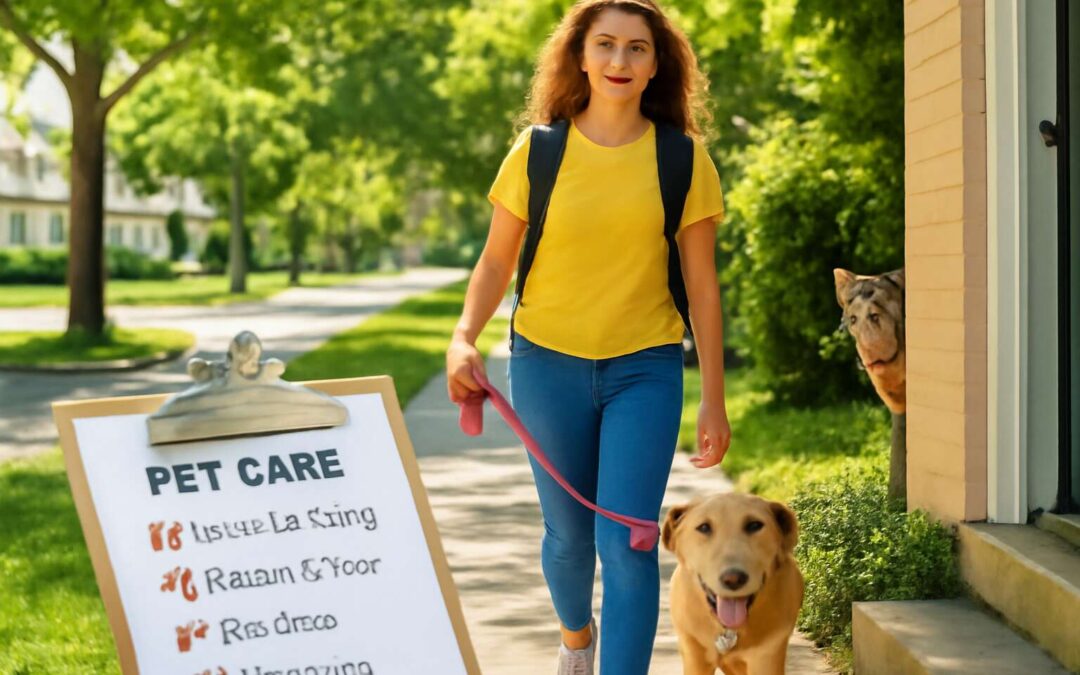
Becoming a teen pet sitter basics and eligibility
What qualifies as a teen pet sitter
Gaining experience through volunteering
Becoming a pet caretaker as a teen isn’t a wild leap into adulthood; it’s a tested rite of passage—a crash course in listening for wagging tails and whispering meows. For a pet sitter for 15 year olds, the basics are simple: punctuality, adherence to the pet’s routine, and a clear plan for emergencies. Eligibility hinges on reliability, curiosity, and staying calm when paws start dancing.
Volunteering is the fastest route to credibility. In South Africa, shelters, rescue groups, and school clubs welcome teen energy. Possible avenues to gain experience through volunteering include:
- Walk shelter dogs under supervision and report changes in behavior
- Assist with cat socialization programs or adoption events
- Shadow a vet clinic or pet-sitting service to observe routines
With each shift, boundaries sharpen and trust grows—a hard-won currency for anyone aiming to turn a teen stint into steady, responsible care.
Necessary endorsements and permissions
“Responsibility is a habit you train,” a mentor once told me, and the world of pet care makes that training visible in every quiet moment with a wagging tail. For a pet sitter for 15 year olds in South Africa, the first steps are practical: a documented plan, a routine, and a calm approach to surprises.
Endorsements and permissions are the doorway to real opportunities. This isn’t about bravado; it’s about credibility backed by guardians and institutions. The following essentials open doors to trusted care:
- Guardian or parent consent and a signed care agreement
- School or club authorization for after-school duties
- Emergency contacts and basic pet-health information
- References or a simple vetting step from a vetted program
With these in place, the teen can focus on listening to whiskers and respecting the pet’s boundaries—while you watch trust grow, one calm routine at a time.
Creating a starter safety plan
For a pet sitter for 15 year olds, the basics begin with a plan and a calm pulse. In South Africa, the best gigs hinge on reliability more than bravado. “A good teen pet sitter is a trusted neighbor with a plan,” my mentor quipped, and the wagging verdict from every dog confirms it. You don’t chase headlines; you chase consistency, one quiet walk at a time!
Eligibility isn’t arcane; it’s a practical checklist.
- Parental go-ahead and a simple written plan
- Ability to follow a routine and handle surprises calmly
- Emergency contacts and essential pet notes
- A lightweight verification from a trusted program or club
Creating a starter safety plan means mapping the day in clear, bite-sized steps:
- Know the household routine and pet preferences
- Learn animal signals and boundaries
- Set a reliable check-in schedule with guardians
- Agree on an emergency protocol and vet access
Safety and training for teen pet sitters
Pet care safety essentials
Safety is the backbone of every responsible pet sitting arrangement, especially in South Africa where households lean on teen helpers during holidays. A focused approach to safety and training shines a light on what really matters for a pet sitter for 15 year olds.
Training isn’t a one-off event; it’s ongoing, with exposure to different pets, environments, and routines. The aim is to foster calm responses, clear communication, and dependable judgment in moments that require quick thinking.
- Emergency contacts and vet information are easily accessible
- Understanding basic pet behavior cues
- Clear house rules and consent from guardians
Local guidelines and parental oversight frame the field, helping families trust a sitter’s professionalism. When safety and training are prioritized, the relationship between pets, teens, and owners becomes a shared pact of care!
Pet behavior basics
Safety and training go hand in hand for a pet sitter for 15 year olds. A calm, observant approach keeps pets safe and homes peaceful, especially during busy South African holidays. Guardians say, “A calm, observant sitter is a trustworthy one” when choosing help.
- Recognize stress cues (yawning, lip licking, turning away) to prevent escalation
- Distinguish playful signals from defensive ones to keep interactions smooth
- Maintain clear, calm communication with pets and guardians to align expectations
With clear consent from guardians and accessible vet contacts, pet behavior basics become a shared language. A confident pet sitter for 15 year olds earns trust through consistency, patience, and reliable routines.
First aid and emergency planning
In South Africa’s festive rush, a calm pet sitter anchors the day and eases anxious pets as families travel. Safety and training aren’t cumbersome add-ons; they are the steady hinge that keeps homes peaceful and animals calm. For a pet sitter for 15 year olds, this mindset blends watchfulness with method, turning potential chaos into routine reliability.
First aid readiness and emergency planning shape trusted care. Guardians want to know you can summon help, describe symptoms, and keep everyone informed.
- Accessible vet contacts and hours
- Guardian contact sheet and preferred communication method
- Pet medical notes (allergies, meds, special needs)
- Simple incident log to record events
With calm, clear communication and rehearsed routines, a teen pet sitter earns trust and keeps holidays moving smoothly—from quiet suburbs to bustling urban centers in South Africa.
Supervised practice and mentorship
Holiday pet care is the hinge that keeps homes calm when the roads fill and families travel. In South Africa, festive travel spikes pet-sitting demand by about 40%, spotlighting the value of steady mentorship. For a pet sitter for 15 year olds, thoughtful supervision transforms potential chaos into practiced reliability.
Supervised practice and mentorship keep the learning alive. Teens gain confidence by shadowing experienced sitters, running mock scenarios, and handling real animals under watchful eyes.
- Shadow shifts with feedback
- Document routines in a shared log
- Rehearse emergency calls and calm handling
Mentorship builds trust across households, turning a teen’s curiosity into dependable rhythm that guardians count on during holidays and beyond.
Legal and ethical considerations for teen sitters
Working hours and local regulations
Across South Africa, families increasingly rely on a pet sitter for 15 year olds to bridge busy days and wagging tails. “Trust is earned one walk at a time,” says a local parent. Legal and ethical considerations anchor every visit: guardian consent and clear task boundaries. Regulations differ by municipality, so a quick check with a guardian keeps you compliant and pets safe. This thoughtful approach builds trust from the first meet-and-greet.
Working hours must respect school commitments, home rules, and local bylaws. Never extend a shift without explicit consent, and ensure you have up-to-date emergency contacts and pet routines documented.
- Written parental consent and client permission for each assignment
- Clear duties, times, and access boundaries
- Privacy for client information and transparent reporting
- Escalation plan for situations beyond your experience
This measured, honest approach elevates the reputation of a pet sitter and helps families sleep easier at night.
Consent and parental involvement
Trust in South Africa’s busy households hinges on consent. For a pet sitter for 15 year olds, guardian involvement is not a hurdle but a doorway—one that opens safety, clarity, and calm for every wagging tail. When consent is explicit and routines are shared, families sleep easy and pets thrive.
Ethical care rests on transparency and respect. Guardians deserve clear expectations; teens deserve guidance appropriate to their age. Consider these anchors:
- Written parental consent and ongoing communication for each assignment
- Transparent duties, times, and access boundaries to protect privacy
- Escalation guidelines that fit experience while ensuring safety
Together, these choices shape a reputation for the pet sitter for 15 year olds that honors South Africa’s communities.
Background checks and credentials
A single nod of trust can quiet a room full of wagging tails. In South Africa’s bustling households, the safety net begins with clear boundaries and formal consent. For a pet sitter for 15 year olds, transparency and accountability are not extras but essentials families lean on every day.
Background checks and credentials form the backbone of credibility. Guardians seek verifiable references, documented training, and proof of safeguarding awareness—elements that keep interactions respectful and pets calm. Teen caretakers carry responsibility with grace, ensuring privacy, safety, and dignity for every household they enter.
- Comprehensive background checks
- Verifiable references from families
- Documentation of relevant training
- Clear guardianship and consent records
Insurance and liability
Safety isn’t optional—it’s the warranty on trust. In South Africa’s bustling households, a clear legal and ethical framework stitches confidence into every encounter. For a pet sitter for 15 year olds, defining duties and boundaries is the first cadence of professionalism.
Insurance and liability aren’t garnish; they’re the hardware of responsibility. Guardians expect coverage that handles accidents, veterinary emergencies, and property mishaps—without melodrama. A clear written authorization from a parent or guardian that defines duties sets the stage for confident care.
- Liability insurance and accident coverage
- Written authorization from a parent or guardian
- Emergency contacts and vet authorization
- Respect for privacy and information handling
Ethical boundaries include privacy, routines, and transparent communication. Teen sitters operate within tightly defined guidelines and supervision, ensuring pets stay calm and homes remain undisturbed.
Practical tips to start pet sitting as a teen
Building a portfolio and getting clients
Pet care can be a real side hustle for teens, and I’ve seen tiny acts of responsibility turn into real income. In South Africa, a dependable pet sitter earns trust fast by showing up on time, communicating clearly, and keeping every furry client happy!
To build a portfolio that opens doors, document care sessions with photos, jot brief notes on routines, and gather a short, positive comment from guardians after a first visit. A tidy record signals reliability and professionalism.
- Take clear, respectful photos of daily care (walks, feeding, play).
- Ask guardians for a quick testimonial after the initial visit.
- Host your materials in a simple online portfolio or a neat notebook.
Spread the word through neighbours, school groups, and local community boards. Offer a friendly intro rate and present yourself as a safe, responsible option—perfect for a pet sitter for 15 year olds who wants to start small and grow.
Setting rates and scheduling
Seven out of ten guardians in a quick South African survey say punctuality and clear scheduling matter most when hiring a teen to care for pets. A pet sitter for 15 year olds can turn that trust into steady work by nailing rates and calendars.
Start with a simple pricing framework. Consider the pet’s needs, session length, and travel. Set an introductory rate in your area, then adjust after a few gigs. A transparent price sheet builds confidence and cuts back-and-forth.
Scheduling matters as well. Block your available days in a calendar, offer 2–3 time slots, and honor them. Use reminders and a quick confirmation message the day before.
- Research local rates and create a clear pricing sheet
- Offer tiered options (check-ins, walks, overnight care)
- Keep bookings in a shared calendar and send confirmations
With clear rates and reliable scheduling, early gigs become referrals for a growing client base.
Communication with families
Seven in ten guardians in a quick South African survey say punctuality and clear scheduling matter most when hiring a teen to care for pets. That means when you communicate, you’re not just answering questions—you’re selling trust. Being a pet sitter for 15 year olds earns credibility with crisp messages and reliable updates.
Try these practical communication moves:
- Open with a brief, friendly intro: your name, service, and how you’ll stay in touch.
- Ask about routines, meds, and any pet quirks to tailor visits.
- Set a clear schedule and send a confirm-by date; use reminders.
- Provide quick updates after each visit, preferably with a photo.
With these habits, families feel supported, and your early gigs become referrals.
Safety protocols and emergency contacts
South Africa’s guardianship statistics show seven in ten parents say safety and clear emergency contacts matter most when teens care for pets. That makes the work of a pet sitter for 15 year olds about reliability, not just enthusiasm! A clear safety stance helps families feel confident and can spark longer connections.
Think of a compact safety toolkit you can share:
- Guardian and veterinarian contact details
- Pet medical info and any medications
- Known triggers, routines, and emergency signals
Keep a simple safety map visible in the home and a prompt to report after each visit. In case of doubt, reach a parent or guardian first and know when to call local emergency services (112 from mobile, 10111 police, 10177 EMS). The goal is steady, responsible pet care that earns continued trust.
Pet care routines and checklists
Every great pet encounter begins with a plan. For a pet sitter for 15 year olds, practical tips turn enthusiasm into reliability—a principle that travels well in South Africa. Seven in ten SA parents say safety and clear emergency contacts matter most when teens care for pets. A daily routine emerges: meals on schedule, fresh water, a short play, quick health checks. Clear expectations foster confident families.
- Pet care routines: meals, water, play, and grooming observed as a cohesive rhythm
- Simple checklists that track mood, appetite, energy, and bathroom patterns
- A concise post-visit note to families, highlighting observations and follow-up needs
Keep a simple safety map visible in the home and a prompt to report after each visit. In doubt, reach a parent first and know when to call local emergency services (112 from mobile, 10111 police, 10177 EMS). The aim is steady, responsible pet care that earns continued trust.